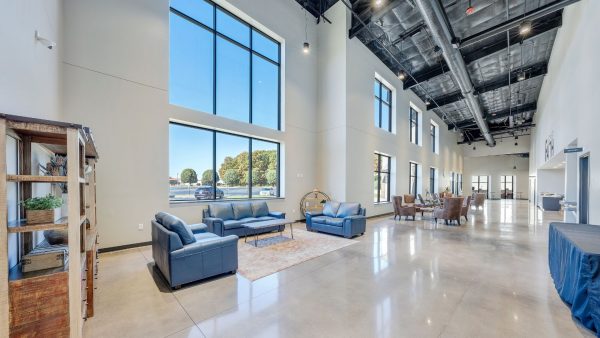
If you’re preparing to build a new church, you likely have big dreams about how this building will touch the lives of those in your community while reaching them with the Gospel!
However, to bring your vision for ministry to life, it’s crucial to build your church on a strong foundation—both literally and figuratively. And creating a detailed, well-thought-out budget is one of the best ways to set your church-building project up for success!
Different Costs to Factor into Your Church Building Budget
Before we list the things to consider when creating your building budget, let’s discuss the costs you’ll need to include.
- Hard Costs — Hard costs are the first expenses you think about during a building project. They include the direct expenses associated with the construction of the building, such as materials, labor, and equipment.
- Soft Costs — Soft costs (overhead costs) are not directly related to the physical construction of your church but are just as important to include in the budget. These include professional design services, permits, insurance costs, and fees.
- Furniture, Fixtures, and Equipment Costs (FFE Costs) — After your church building is completed… it isn’t quite ready to start welcoming guests until the furniture, fixtures, furnishings, and equipment are added. Since these costs are not directly correlated to construction, they’re often overlooked and can result in overspending at the end of the project.

What to Consider When Creating Your Building Budget
Now that you have a better idea of which costs to consider when crafting your church building budget, let’s dive into the most critical factors that can contribute to the project’s overall cost.
1. Church Location
Where will your church building be located? You might not realize it, but this detail drastically impacts the overall cost of your building project!
Church location impacts several costs, including land purchase, site preparation (like grading), utility hookups (like water, sewer, and electricity), and potential development costs (like adding sidewalks or improving nearby roadways). So, for example, while you might get a great deal on land in a rural area, you’ll likely need to factor in more for utilities and development than you would in a more developed area.
2. Civil Engineering
A commonly overlooked cost in any ground up construction is civil engineering, site work, and city requirements this can add a considerable amount to your church-building project budget if not accurately counted in the beginning.
For a church property, engineers will focus on foundation design, stormwater management, and city requirements to manage traffic such as additional stoplights or turning lanes. The earlier you have a clear idea of what this scope will look like, the better opportunities for value engineering and cost savings.
3. Design Management
What do you want your church to look like?
The overall design and architectural elements of your church building can impact the budget, so it is crucial to understand this from the start. Choosing a design that resonates with your congregation and meets their needs while also staying true to your denomination’s unique features (if applicable) usually results in an excellent design. However, it’s key to note that design choices can have a massive impact on cost. Working with a design build partner provides budget oversight during the design process, keeping your selections within the budget.
4. Building Purpose
Of course, your church will be used as a place of worship—but what else will it be used for?
Many churches create buildings (or multipurpose spaces) for activities beyond worship services, such as community events, youth groups, outreach programs, and educational classes. These spaces might require additional amenities, such as extra bathrooms, a kitchen, or additional storage, which must be factored into the initial budget and may impact the cost.
5. Desired Timeline
Finally, ask yourself—when do I want my church building to be completed?
If you need construction to be completed quickly, you’ll likely pay more upfront, which may require you to borrow more money and take out more loans. If you have plenty of time for your project to be completed, you can craft a thoughtful fundraising campaign and complete the project in smaller phases. Regardless of the project’s length, set firm borrowing limits and regularly monitor the budget!
Build a Successful Budget During Pre-Construction Planning with Churches by Daniels
The last crucial element to consider when creating your church building budget (but arguably the most important!) is your church builder.
Believe it or not, choosing the right builder can actually save money in the long run and prevent headaches during the building process. Hiring a design-build contractor who also offers pre-construction planning services, like Churches by Daniels, will help you stay within your desired budget and timeline for your project while resulting in a beautiful, purposeful church building that fulfills your ministry vision!